TEACHING WEAVING KROKBRAGD AT WEST DEAN COLLEGE. JANUARY 2026
For me, teaching at West Dean College of Art, Design Craft and Conservation was about much more than teaching.
I suspected this might be the case as other makers and friends have raved about the college over the years. I was curious to find out what the fuss was about. However, I didn’t anticipate is that a teaching gig would bring about a shift in mindset about the future direction of my business.
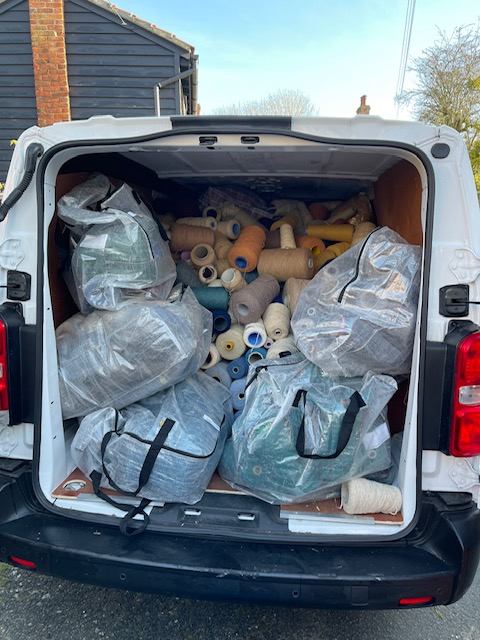
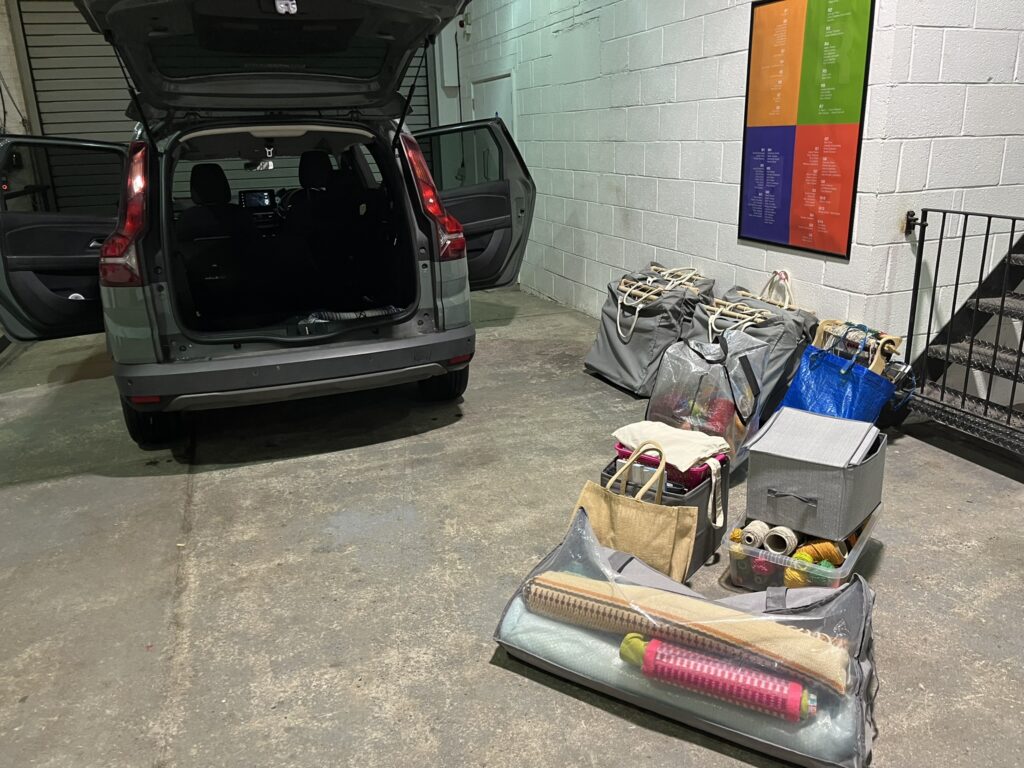
A soggy Sunday afternoon drive from Bristol to Chichester was the start of my experience. I loaded up the car with my pre-set student looms and triple checked the workshop kit list. I’m lucky to have a ‘weaving krokbragd’ workshop template that easily adapts to different educational settings. It’s provided financial security in my weaving business for a while now, as well as other benefits. (I’ve put in the years to reach this point).
Packing & Unpacking
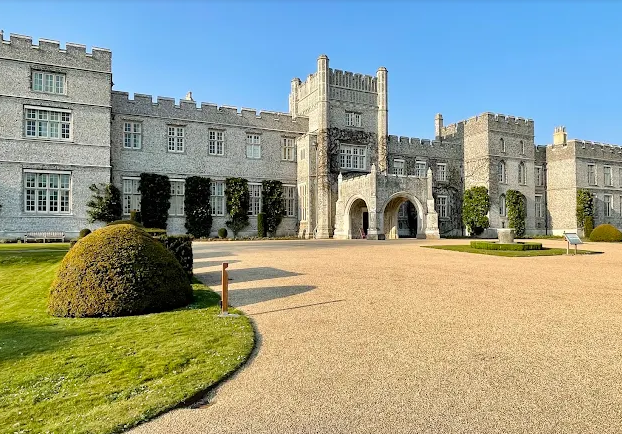
I was booked to teach a three-day weaving krokbragd workshop. On arrival, I crawled along the very impressive driveway to the majestic entrance of the house. The first evening was all about unloading, setting up, dinner and then welcoming the students with a short introduction. Plus an impromptu loom dressing session! (The course bookings had exceeded expectations. Rather than give up my teaching loom to make up the numbers, one of the students kindly agreed to bring their loom in exchange for an extra long sampling warp).
Exploring the house and estate would have to wait as it was dead of night by the time I finished. After a long day, sleep was calling me.
Teaching Weaving Krokbragd
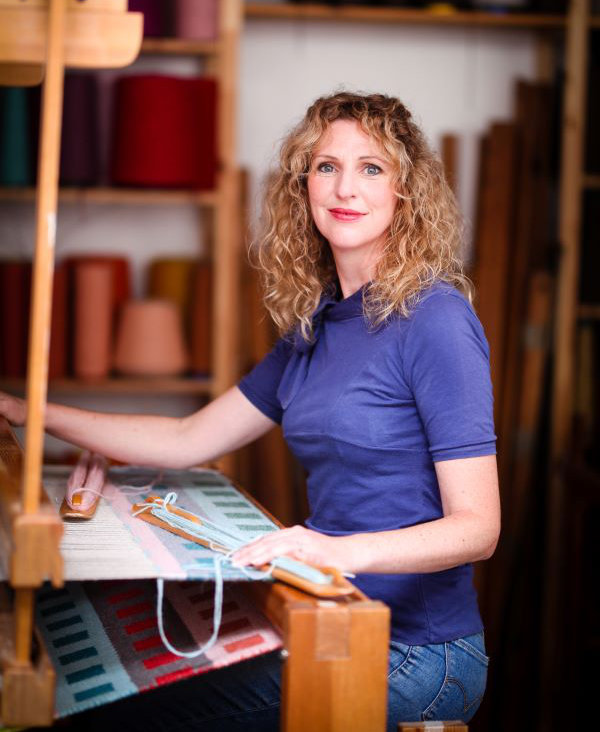
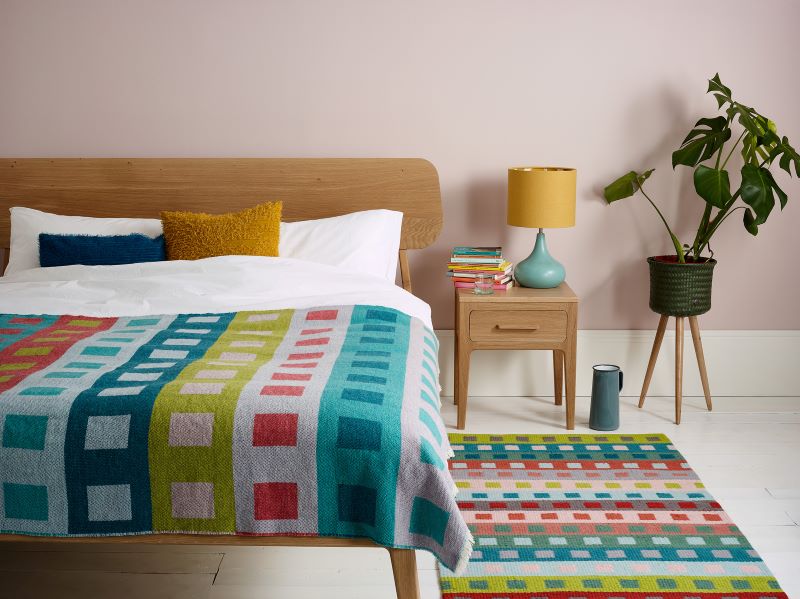
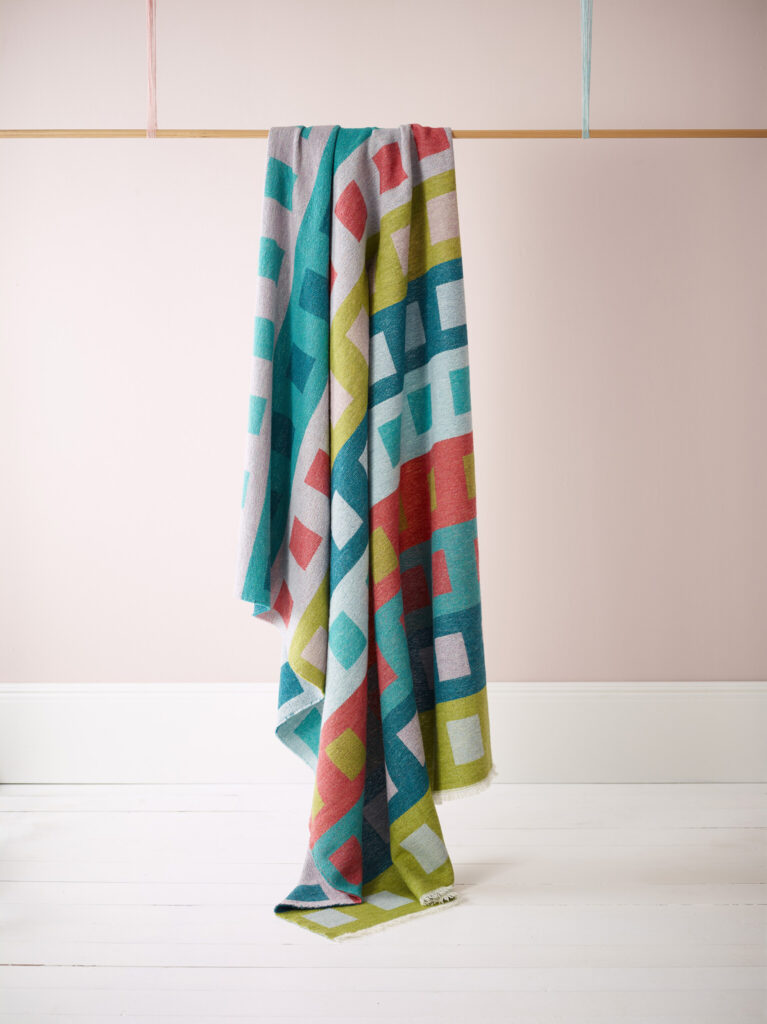
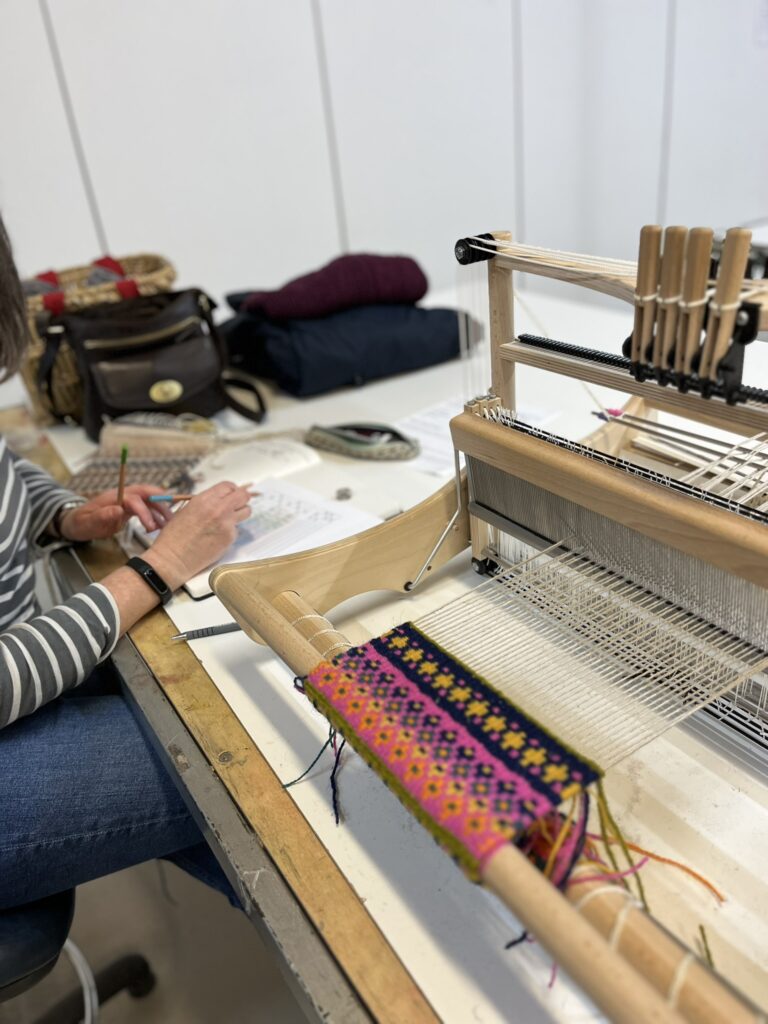
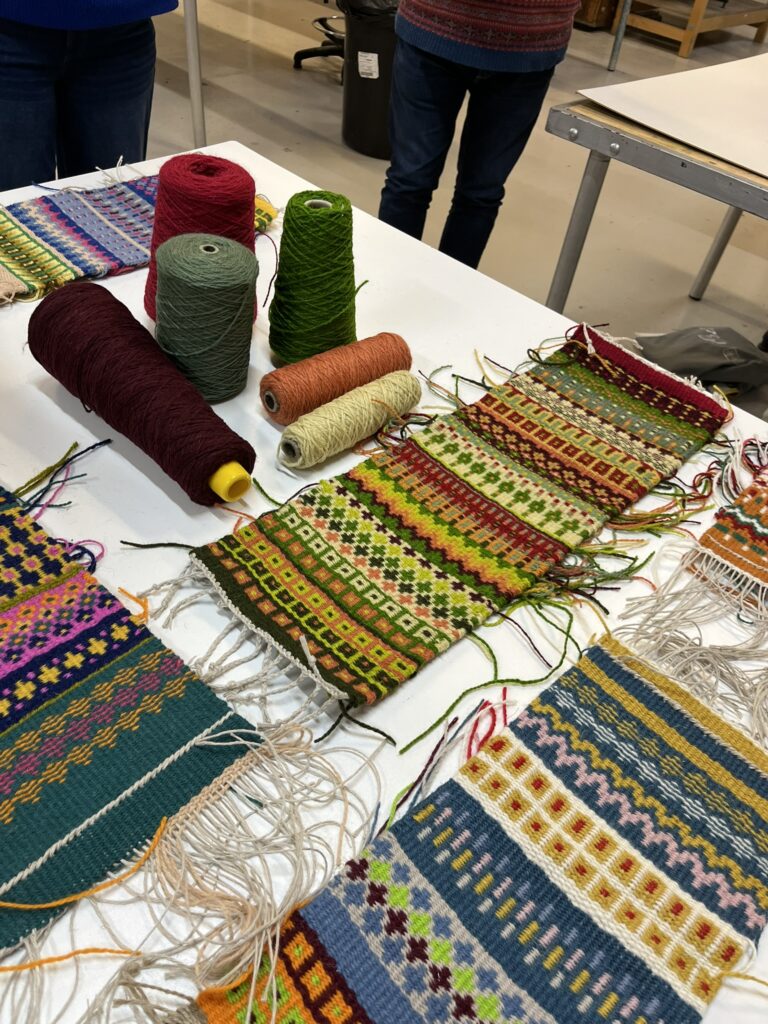
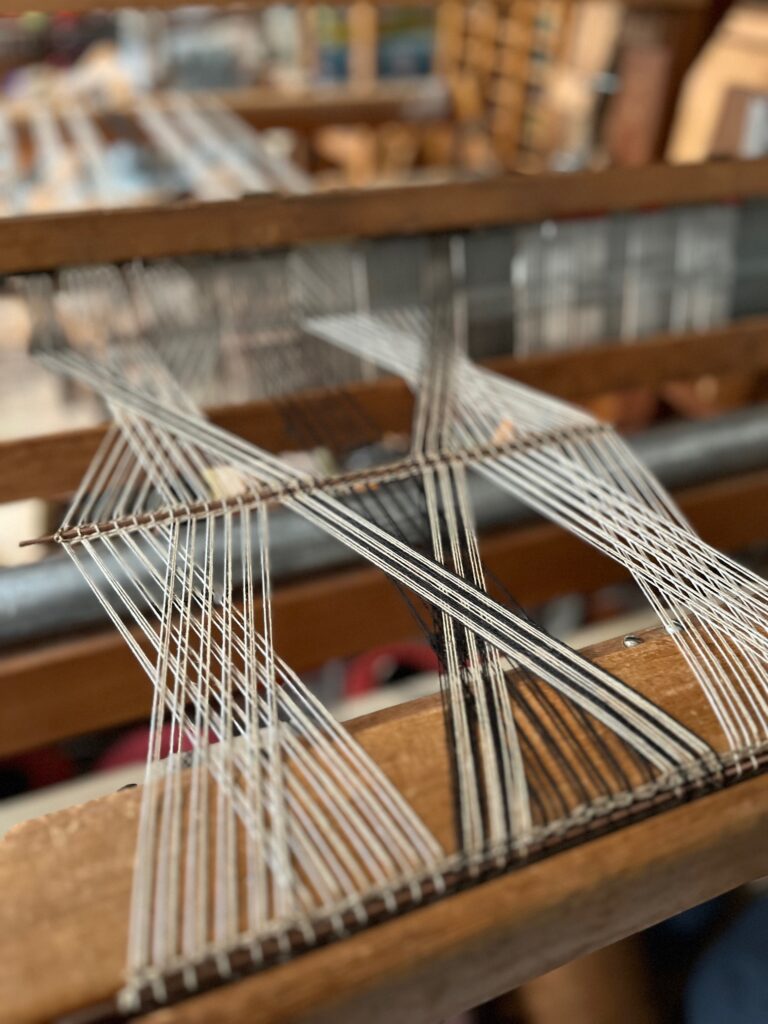
The course followed a typical workshop structure and I enjoyed teaching another lovely group of students. We began by working through the basic principles of the three-shaft boundweave technique together. The students then started finding their own rhythm by designing from the pattern templates that I had prepared.

We discussed their aims and expectations so that I could ensure the course covered everything they wanted. I was able to adapt so that each student was pushed in their learning. My hope is for the participants to master enough of the weaving krokbragd building blocks so that they can work on developing their own patterns and style. You can read more about my weaving krokbragd courses here. (Coming soon actually).
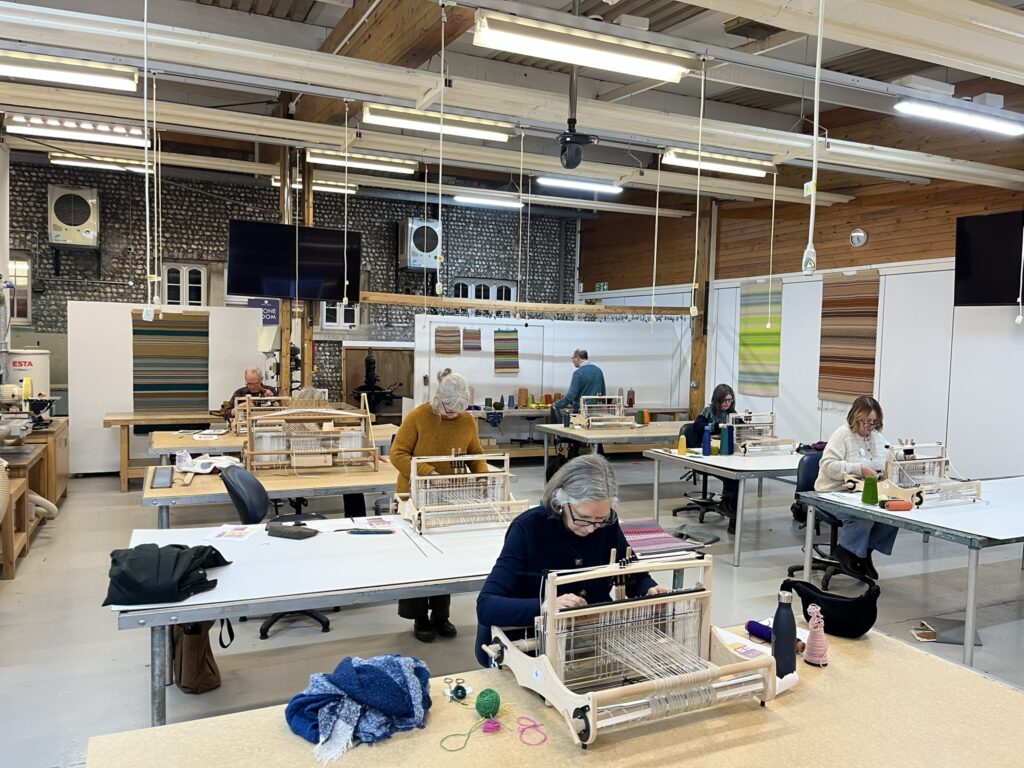
The group worked really well together and it was lovely to witness the ‘lightbulb’ moments and see the weaving progress on the looms. We also covered design, colour, rug techniques, selvedges, setts, materials and more….
More than a Short Course Weaving Krokbragd
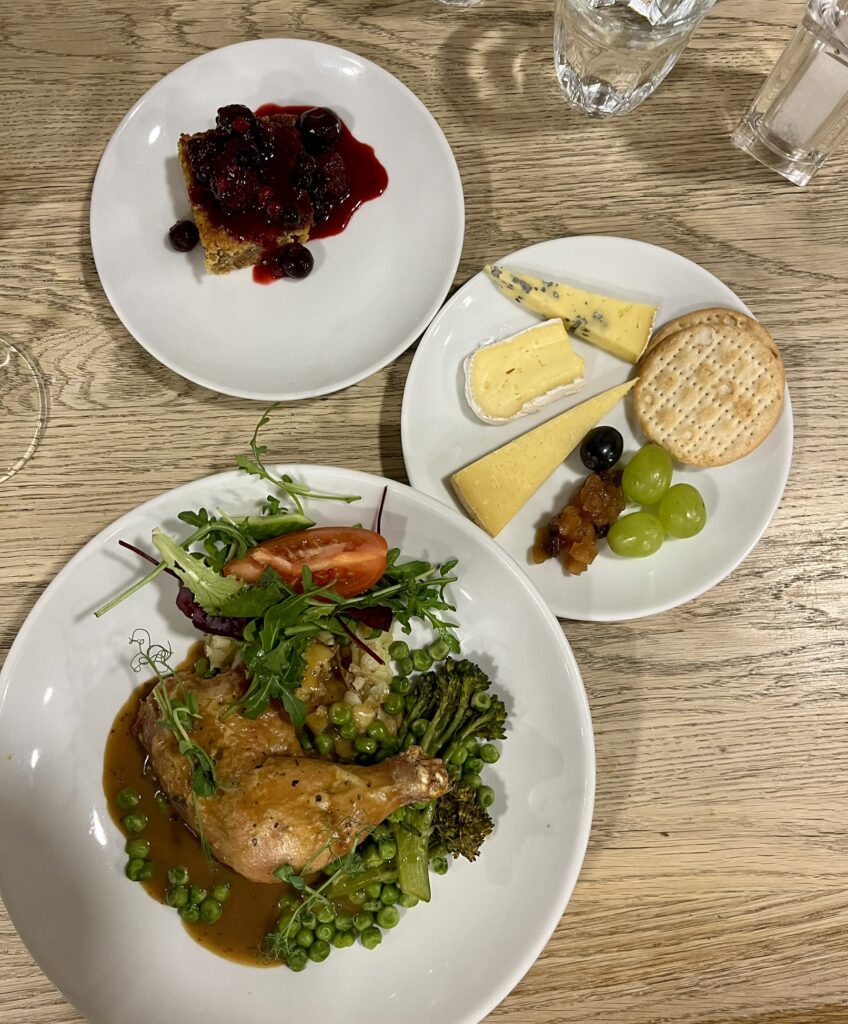
However, the course, whilst integral, wasn’t the only positive experience. Friendships blossomed and weaving knowledge and life experiences were shared in class and over mealtimes. There was a beneficial sense that everyone was experiencing life at a different pace to ‘normal’.
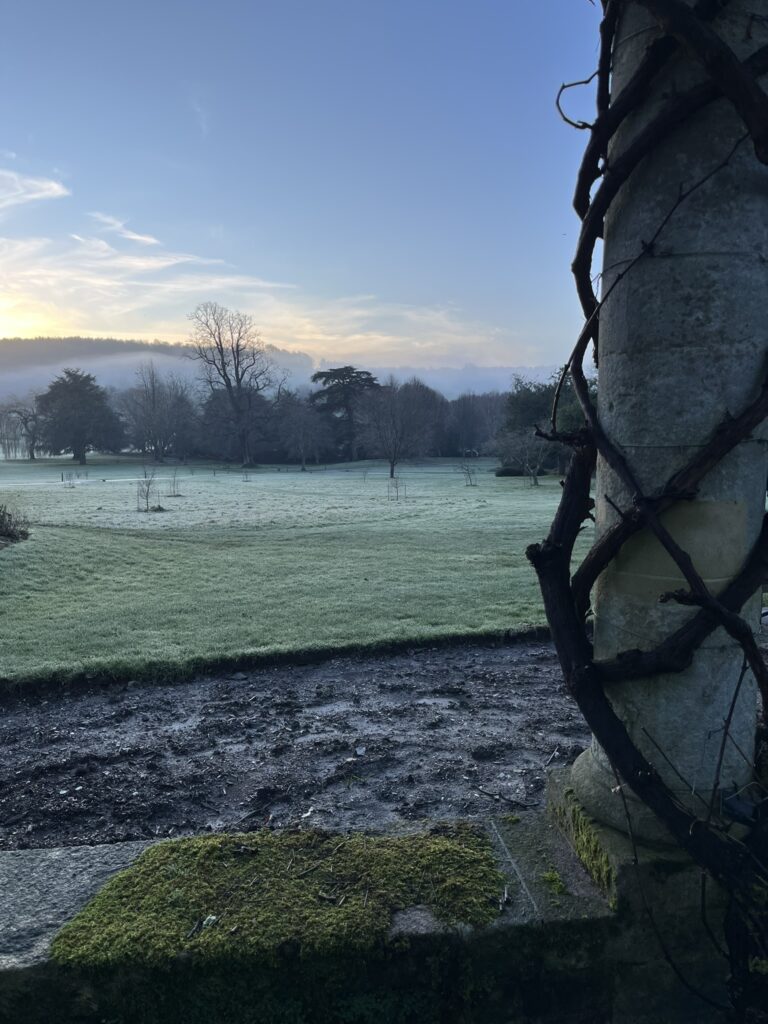
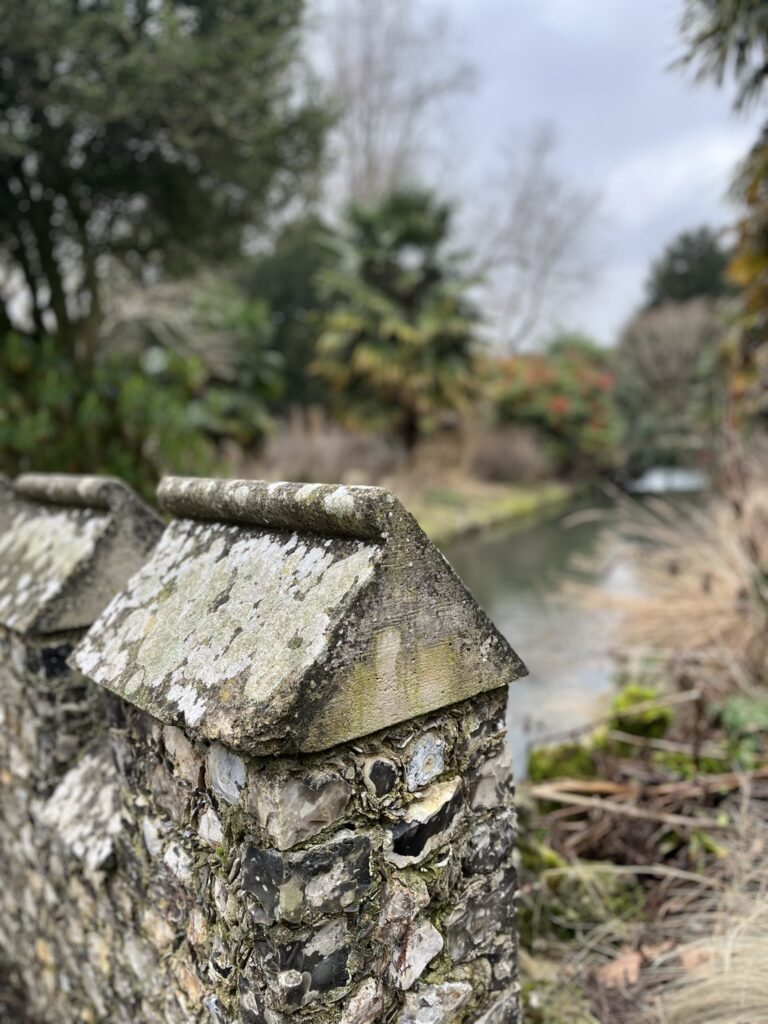
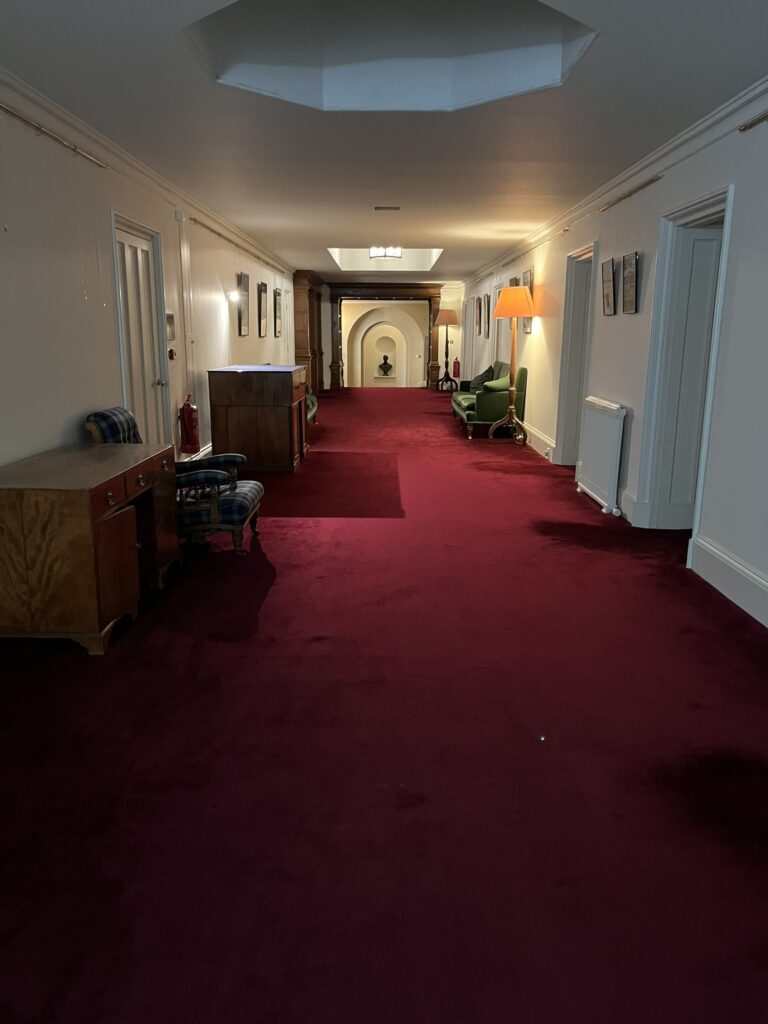
Personally, abandoning meal prep. for a family of five is a great reason to work away from home. (Though I did leave then fridge fully stocked!) But the ultimate unexpected treat was simply hanging around the opulent hallways and gardens during the breaks in the day. I was overdue a change in scenery it turns out.
Making Myself at Home
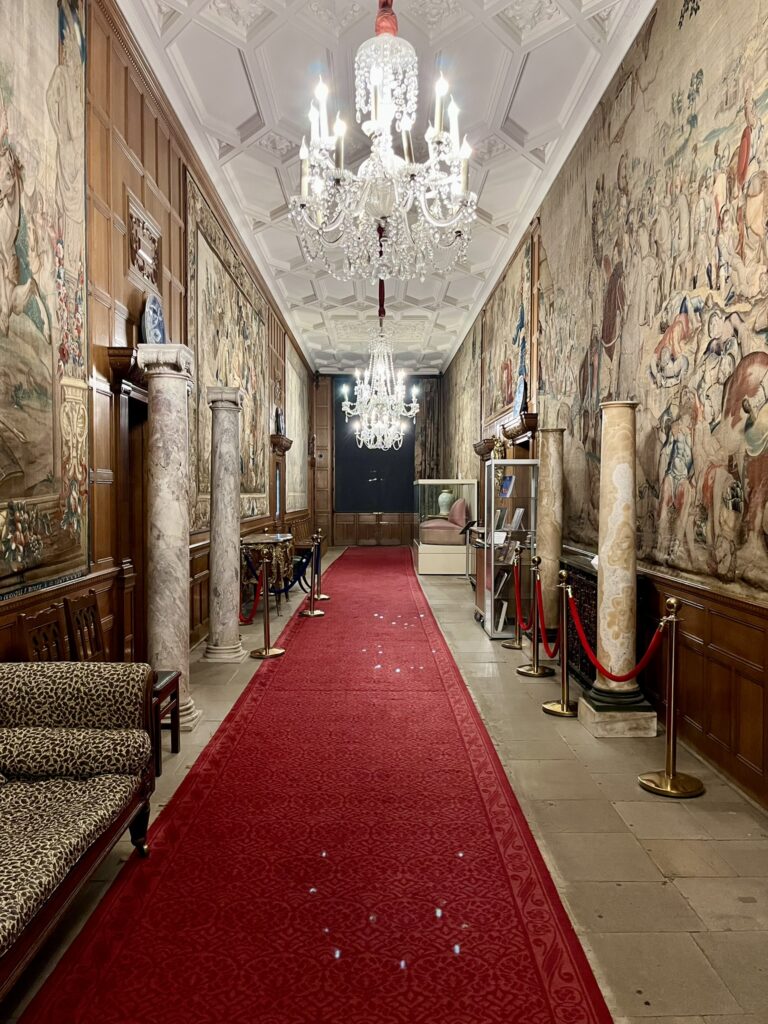
Before dinner on our penultimate day I sat with my laptop on the tapestry walled landing, and caught up on admin. feeling quite at home. I was at home! Being surrounded by textile and surrealist art is dreamy.
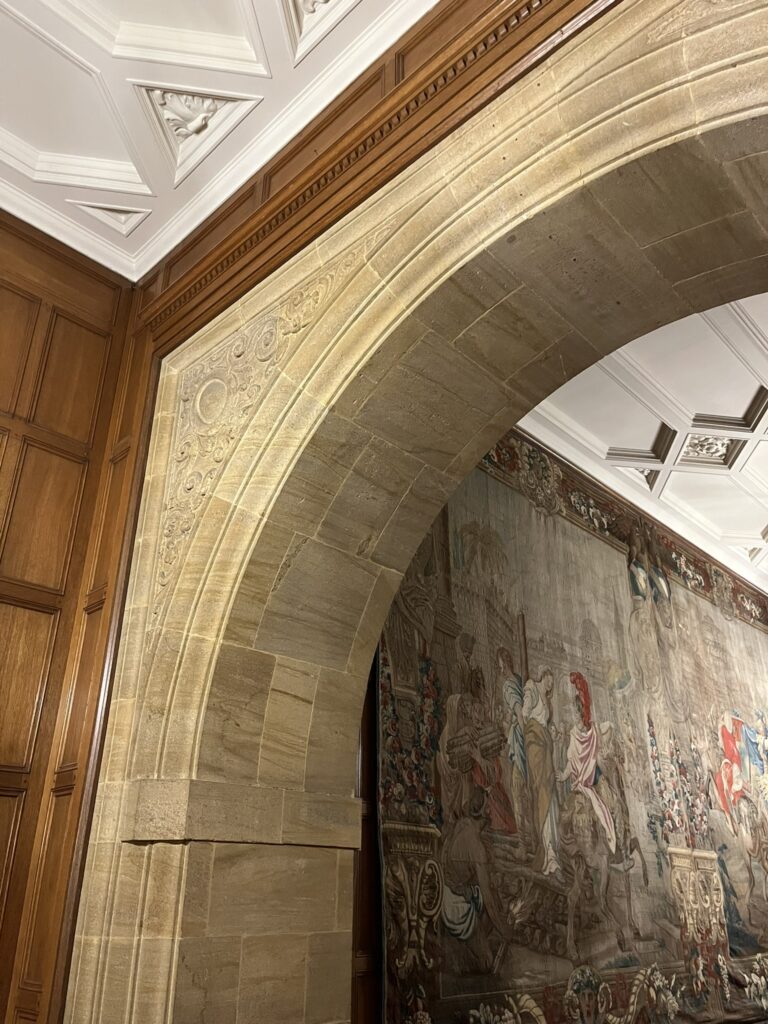
I discovered that the tapestries which adorned the walls were too tall for the hallway when they were installed. Instead of being cut down to fit the room height, the ceilings were instead raised. How refreshing is that for a textile art fan, (and triggering for project managers, accountants and builders!).
History
Before the course my research about West Dean was minimal. I basically knew that the college had originally been set up and funded by aristocrat Edward James. I grew curious to know more and fell down a rabbit hole into a world that’s far removed from mine. Plus, the rumours! Oh my word!. Here’s some official information from the website:
Originally a family home, West Dean was transformed into a centre for education and creativity by visionary patron of the arts, Edward James in 1971. With access to West Dean’s extensive archives and collections, including rare books, historic objects, and works of art. These resources, combined with the surrealist gardens and historic buildings, creates an inspiring environment for learning and discovery.
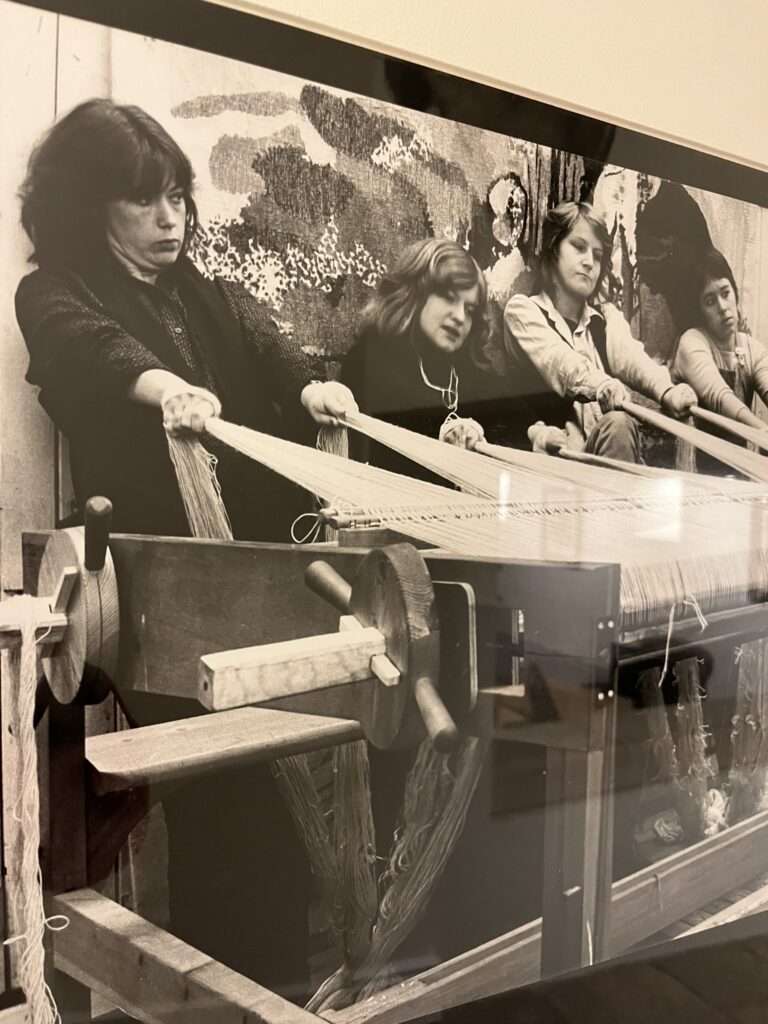
Edward James (1907-1984)
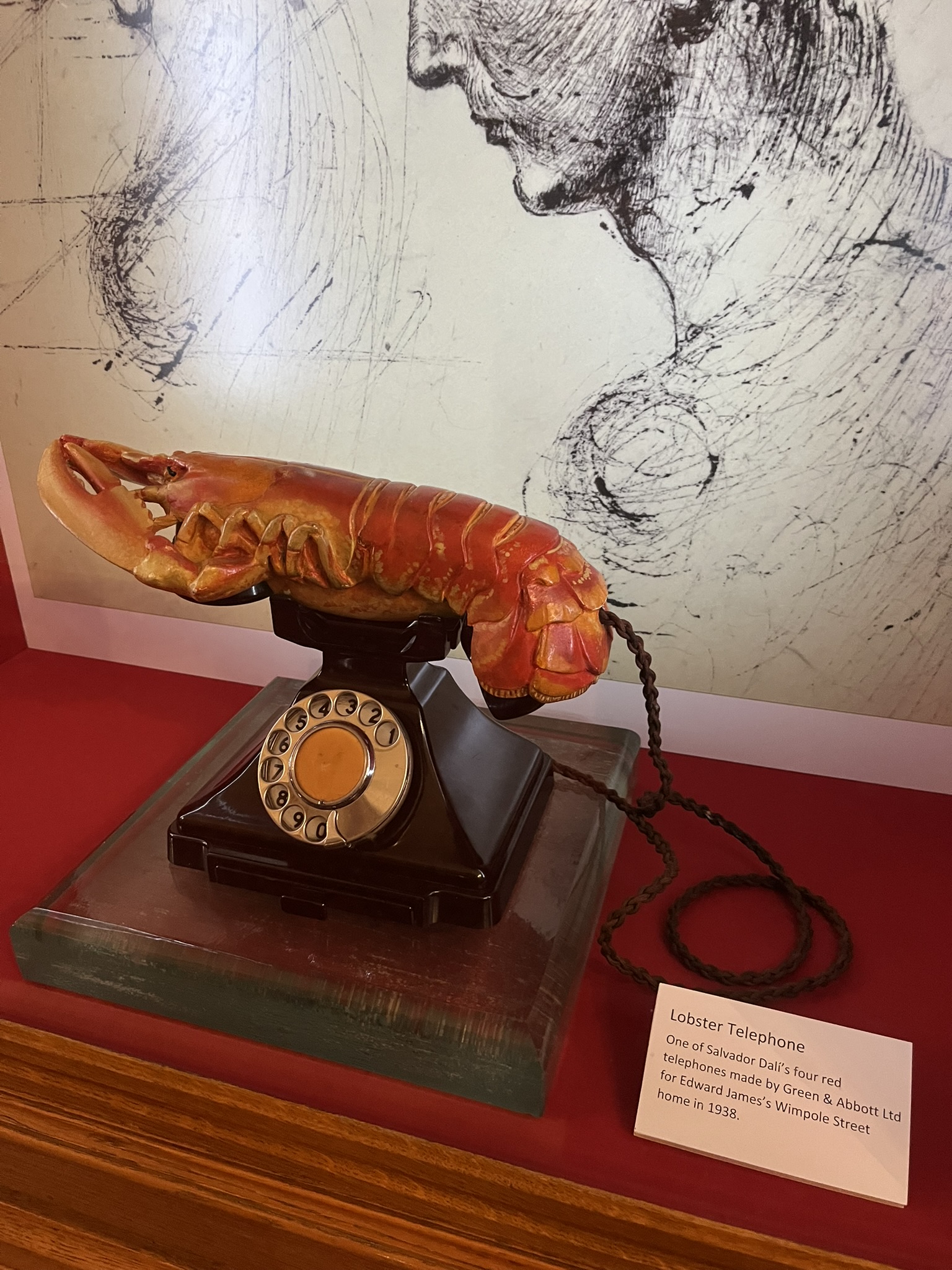
Edward James thought of himself primarily as a poet yet his innovations in art, design and architecture mark him out as an unrecognised visionary of the twentieth century. Through his patronage and creative partnerships with prominent Surrealists such as Salvador Dalí and René Magritte, as well as his support of artists including Pavel Tchelitchew and Leonora Carrington, James was involved in the creation of some of the most enduring representations of the avant-garde, including the iconic Mae West Lips Sofa and Lobster Telephone.

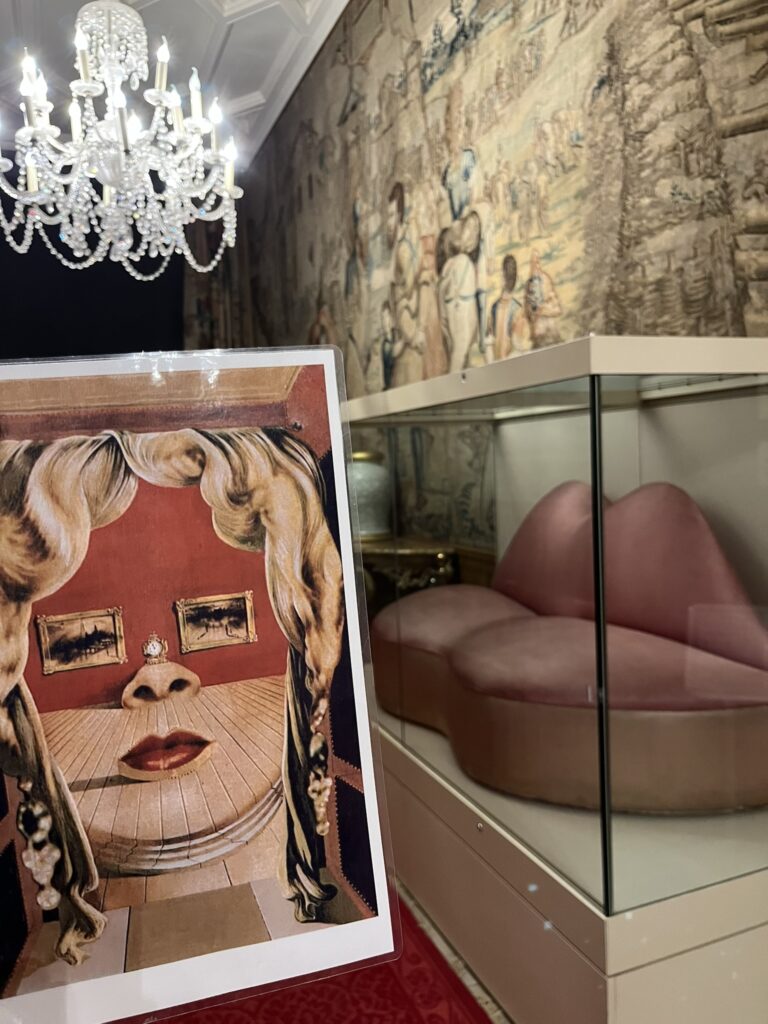
James sought to escape the conventions of his Edwardian upbringing, using his inherited wealth to sponsor artistic expression and to explore the limits of the imagination. His circle of associates indicated a lifestyle as fantastical as the works of art he acquired. In his pursuit of beauty, James meticulously designed every aspect of his world, often seeking to bridge the gap between dream and reality.
Monkton House
This desire to turn the everyday into the marvelous saw James transform Monkton House – a Lutyens-designed hunting lodge built for his family on the West Dean Estate – into a surrealist extravaganza. During the mid-1930s James completely transformed the property both inside and out, commissioning carpets, wallpaper, bespoke furniture and unique fittings. This idiosyncratic retreat, which James used as his main residence when in the UK, was considered to be one of the most remarkable examples of environmental surrealism in the world.
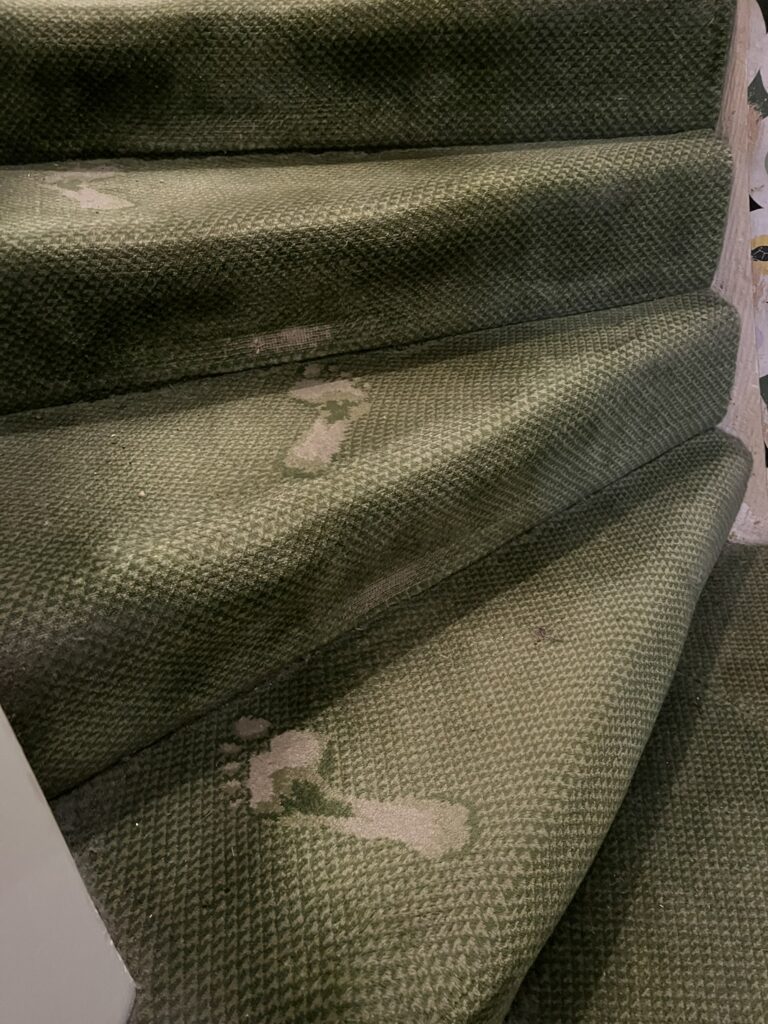
I’ve included these extracts from the West Dean website here, because they help to provide an insight into the unconventional world of James. It’s hard for me to articulate quite what it is that makes West Dean so different from other educational settings I worked in. Though I believe it’s the romance of this fantastical, dream led existence.
Funding
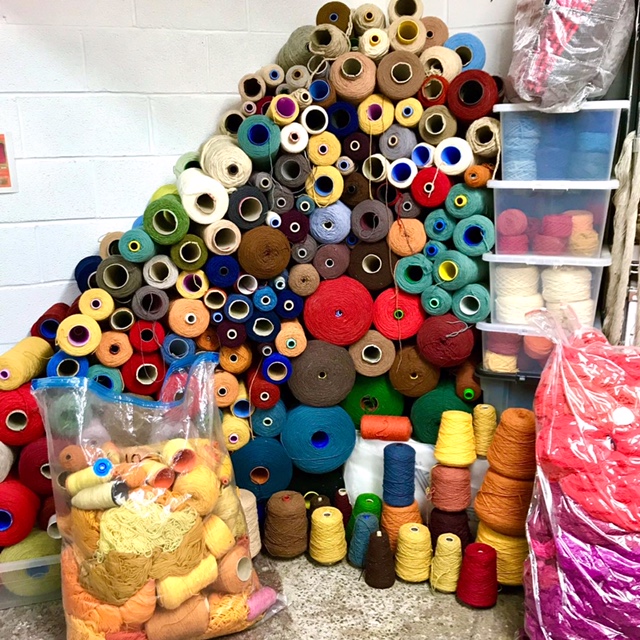
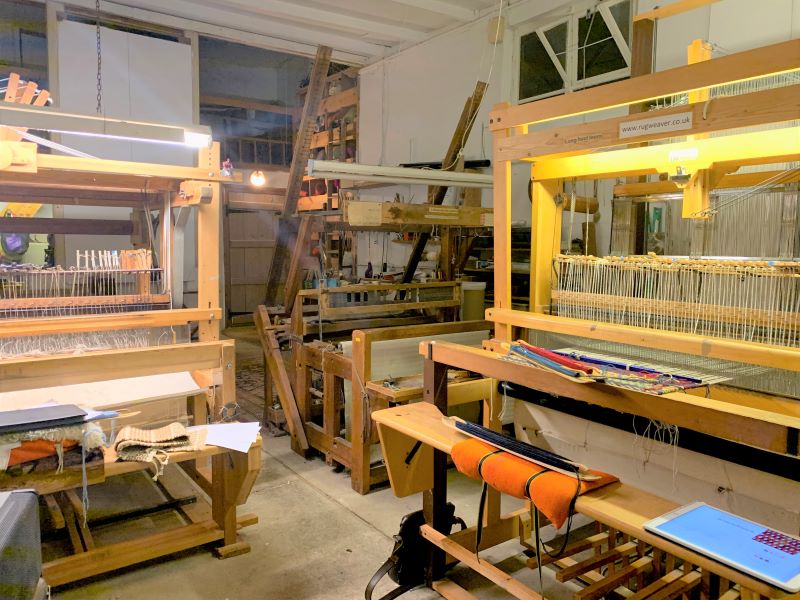
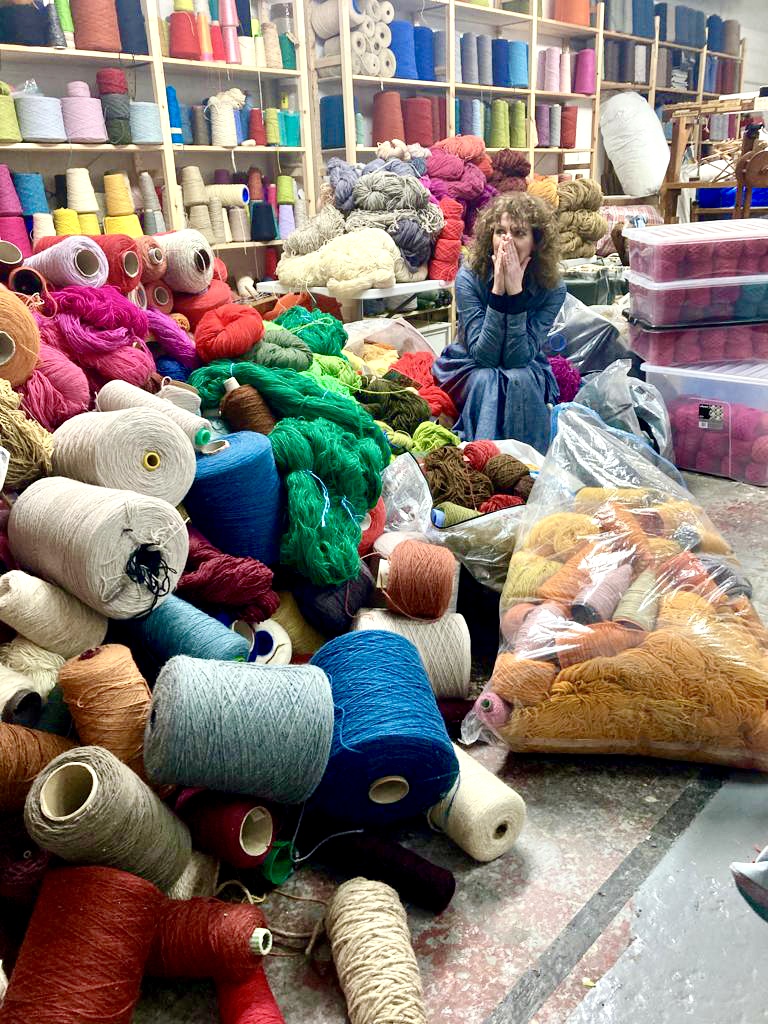
I also became fascinated by James’ decision to fund a college for conservation and the Arts. The logistics and politics of this are of interest to me. On a much smaller scale I am in possession of the late Peter Collingwoods’ collection of looms and library of books on weaving. I’m currently working out a plan to ensure that this collection stays together in the future. Not being an aristocrat, I don’t have the option to sell of my art collection or additional homes as a means of funding, but luckily there are other ways.
James himself had concerns about his legacy as recorded by Christopher Turner in his feature for Apollo Magazine in 2021.
“I didn’t give away my inheritance so that a middle-class couple, bored of watching television, could spend a weekend learning to make corn dollies for less than it would cost them to stay at a hotel in Torquay”.
The irony of this is I’m certain that a portion of the funding to sustain the college today comes from the the pockets of the middle class craft enthusiast. Those who have the means to sign up for a niche craft course such as mine. Importantly, these private bookings help to ensure that the college can still offer arts scholarships & bursaries. Many wouldn’t be able to access courses without them. As a tutor I feel happy in my role to support this.
Changing Gear
It’s normal for me to be slightly distanced from the rest of the world when I’m away from home teaching. However, i did feel as though I was living in a different time when I was at West Dean. It was such a refreshing change after the winter and it got under my skin. One month later, as I write this, I realise that this change in gear was needed. It was good to step back and assess the lay of the land as I work towards incorporating the Collingwood acquisitions into my studio life. I still have heaps of research to do, but I’m glad to have some clarity about my next step.
I’m also glad that I pursued this teaching opportunity as it’s been a while since I put myself in the path of an unexpected outcome. It’s a reminder to always keep an open mind. Simply placing yourself in a different environment will generally feed the soul. Quite a fitting way to sustain a creative business.
How This Came About
Finally, for anyone reading who might like to teach at West Dean, it might be useful to share how this opportunity came about. I owe a lot to Patricia van den Akker from The Design Trust. It was during her Firestarter event in March 2025 that I met Rosemary Marley. Rosemary was the short course manager for West Dean before she stepped away from the role at the end of last year. The serendipitous meeting reminded me that a teaching post at the college had once been on my business bucket list, long before I had an appropriate workshop model. Rosemary and I continued our conversation via email. When it was decided that I was a good fit we set about arranging the dates and marketing the weaving krokbragd class.
The initial vision for West Dean college was to preserve specialist craft training in conservation and offer student bursaries. In order to continue to offer this, short courses like mine help the college to meet it’s targets. And in return, I get to share my passion and knowledge about weaving krokbragd with wonderful students. As well as my tutor fee’s and new found connections, I got a bonus mini-break and an unexpected wealth of inspiration for the re-shaping my business in the future…
Here are links to the rabbit hole I referred to earlier on:
https://en.wikipedia.org/wiki/Monkton_House,_West_Dean
https://apollo-magazine.com/edward-james-surrealism-patron-salvador-dali/ (behind a paywall)